
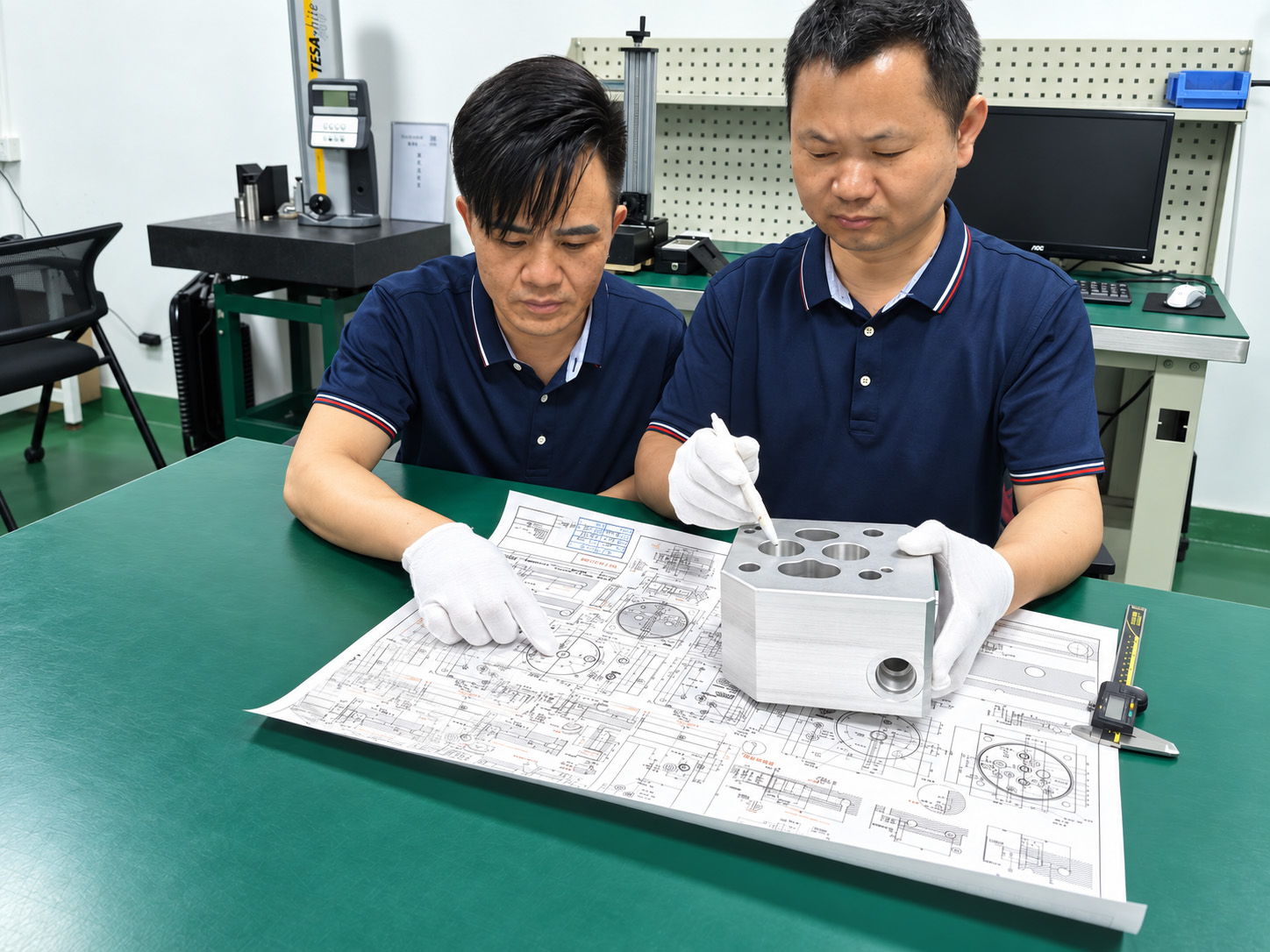
What information do you have today?
A schematic and valve list
A schematic can start the discussion. Add the intended operating conditions, valve models, interface requirements and installation constraints you already know. We identify the missing inputs needed to define the manufactured block.
A drawing and 3D model
Share matching revisions, the material grade and condition, cavity references, tolerances and surface requirements. We review the manufacturing implications and highlight conflicting or incomplete details.
An existing part or sample
Explain what needs to remain unchanged and what has caused difficulty. A sample can inform the discussion, but material, internal geometry and acceptance requirements still need an approved definition.
Complete manifold drawings are preferred for a manufacturing review and quotation. If the part is still being developed, agree the scope of engineering support and the responsibility for preparing and approving the final drawing package.
Four connected reviews, chosen around your question
Schematic and circuit inputs
Which connection or valve reference remains unclear?
Review the available schematic, valve list and port identities, then identify what is needed to turn the circuit information into a defined manifold project.
Circuit and schematic reviewValve cavities and interfaces
Which reference governs the actual machined feature?
Match the specified valve model and cavity drawing. Keep cartridge cavities, valve mounting faces and external ports distinct, with the applicable interface and sealing requirements.
Valve cavities and interface reviewInternal passages and intersections
How will the specified connections be manufactured and checked?
Review passage connections, drilling directions, intersections and access for deburring and cleaning. Flag geometry or wall-section concerns for the responsible engineer to assess.
Flow paths and cross-hole reviewDesign for manufacturability
Can the released requirements be made and measured as intended?
Review datums, setups, tool reach, critical features, final treatment and inspection access. Discuss proposals with their effect on manufacturing, acceptance and the features that must stay unchanged.
DFM and drawing reviewTurn an open concern into a decision your team can review
| Example input | Why it needs attention | Decision to agree |
|---|---|---|
| Valve list and cavity reference differ | The valve model and the cavity reference may not describe the same interface. | Identify the governing valve model and current cavity drawing before tooling or machining is released. |
| A compact block uses compound-angle passages | The intersection needs to be considered with tool approach, neighboring features and internal access. | Review the setup and cleaning route; submit any proposed geometry change to the design owner. |
| A dimension is specified without its finishing state | A feature may need acceptance after the agreed surface treatment rather than immediately after machining. | Confirm the final condition, protected areas and the inspection requirement on the released documents. |
| A drawing calls for a clean internal passage | A general cleanliness note may leave the expected evidence unclear. | Agree the manufacturing cleaning requirement and whether separate formal component cleanliness verification is needed. |
A useful review question identifies the affected feature, the governing requirement and the decision needed from the responsible person. This gives your team a specific point to assess and a response that can be recorded against the correct revision.
Leave the review with an agreed basis for manufacture
Record the open points
Keep questions tied to drawing features and document revisions. Identify missing references, conflicting requirements and proposals that need a decision.
Confirm the decisions
Record the accepted response and update the affected definition. Passage, cavity, interface or material changes require the appropriate customer approval before manufacture.
Release the agreed package
Connect the approved drawing and model to material and condition, critical features, tooling needs, finishing state and inspection scope. Carry relevant decisions into sample review and repeat orders.
The responsible design engineer approves the circuit, material suitability for the operating conditions and structural requirements. Our manufacturing review supports those decisions; it does not establish a universal pressure rating or replace hydraulic system validation.
Connect decisions to controlled documentsManufacturing experience makes the review practical
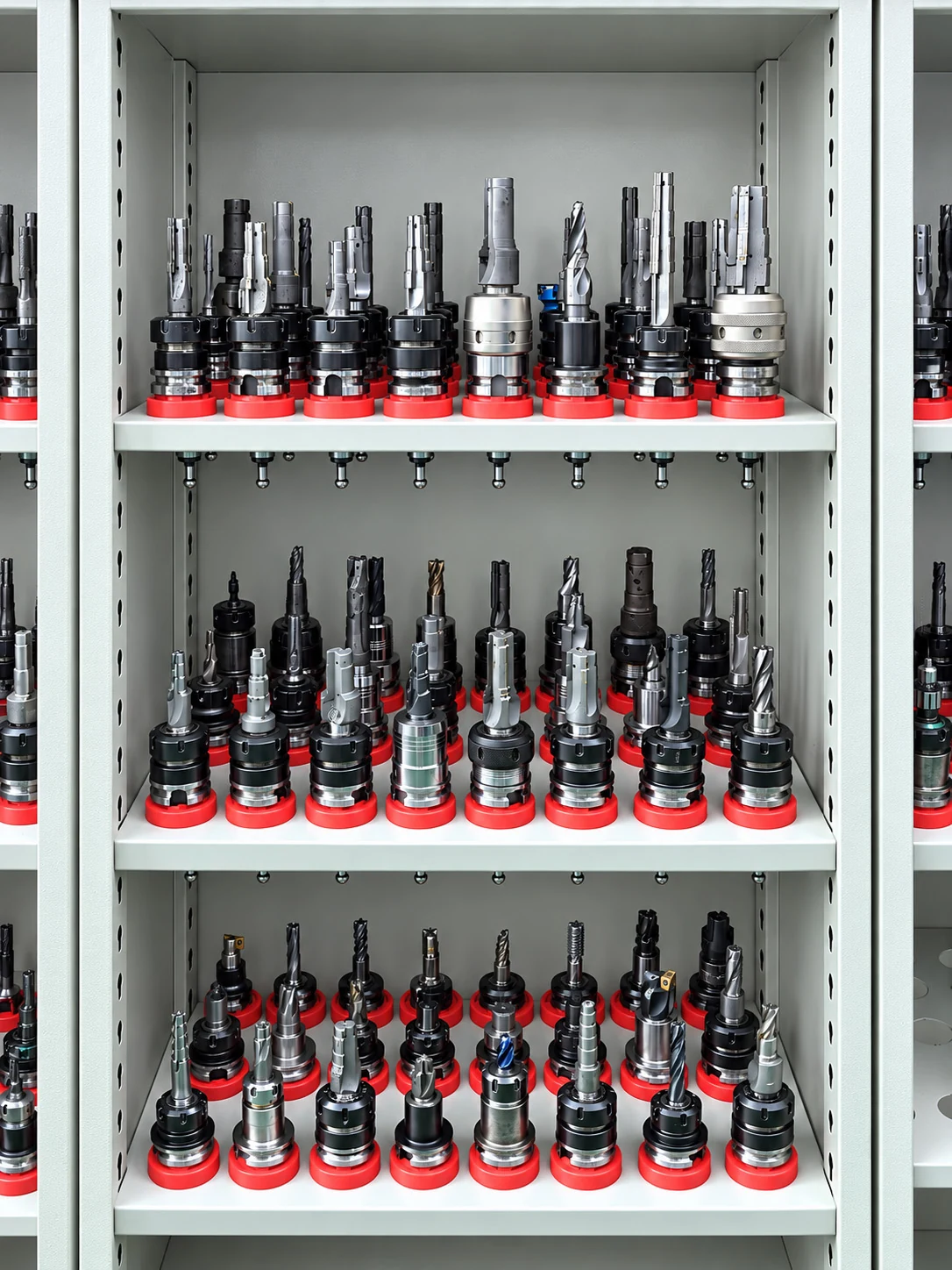
From a cavity reference to a machining question
Experience with dedicated cavity tools, complex intersections and sealing surfaces informs the details we raise. We consider tool access, setup sequence, burr formation, cleaning and verification together, so a proposed solution can be discussed in manufacturing terms.
Valve-cavity tooling Explore manifold manufacturingPlan how the critical features will be accepted at the same time. Normal machined-block acceptance verifies material and drawing conformity, including specified dimensions, applicable bore geometry, thread checks, sealing-surface roughness and burr removal. Pressure and functional testing are not routine checks.
Review inspection methodsQuestions before an engineering review
Can we send only a hydraulic schematic?
Yes. It can begin the discussion, especially with a valve list and known operating and installation requirements. We agree what still needs to be defined, who will prepare the part documents and who will approve them before manufacturing.
Can you suggest a change that makes machining easier?
Yes, where the project permits alternatives. We explain the manufacturing reason and identify the affected features. The responsible customer engineer decides whether a proposed change is acceptable for the design.
Can a similar thread confirm that a cartridge valve will fit?
No. Review the specific valve model against its governing cavity drawing, including the relevant diameters, depths and sealing geometry. A similar thread or external appearance is not enough to establish interchangeability.
Can the review include cost and lead-time considerations?
Yes. Material condition, cavity tooling, complex setups, external treatment, inspection and quantities affect the manufacturing plan. We discuss the relevant trade-offs without relaxing a critical requirement without approval.
Can we discuss confidential drawings?
Tell us if an NDA is required before sending sensitive details. Agree the information-sharing scope for the review, and identify any restrictions on drawings, photographs and project references.
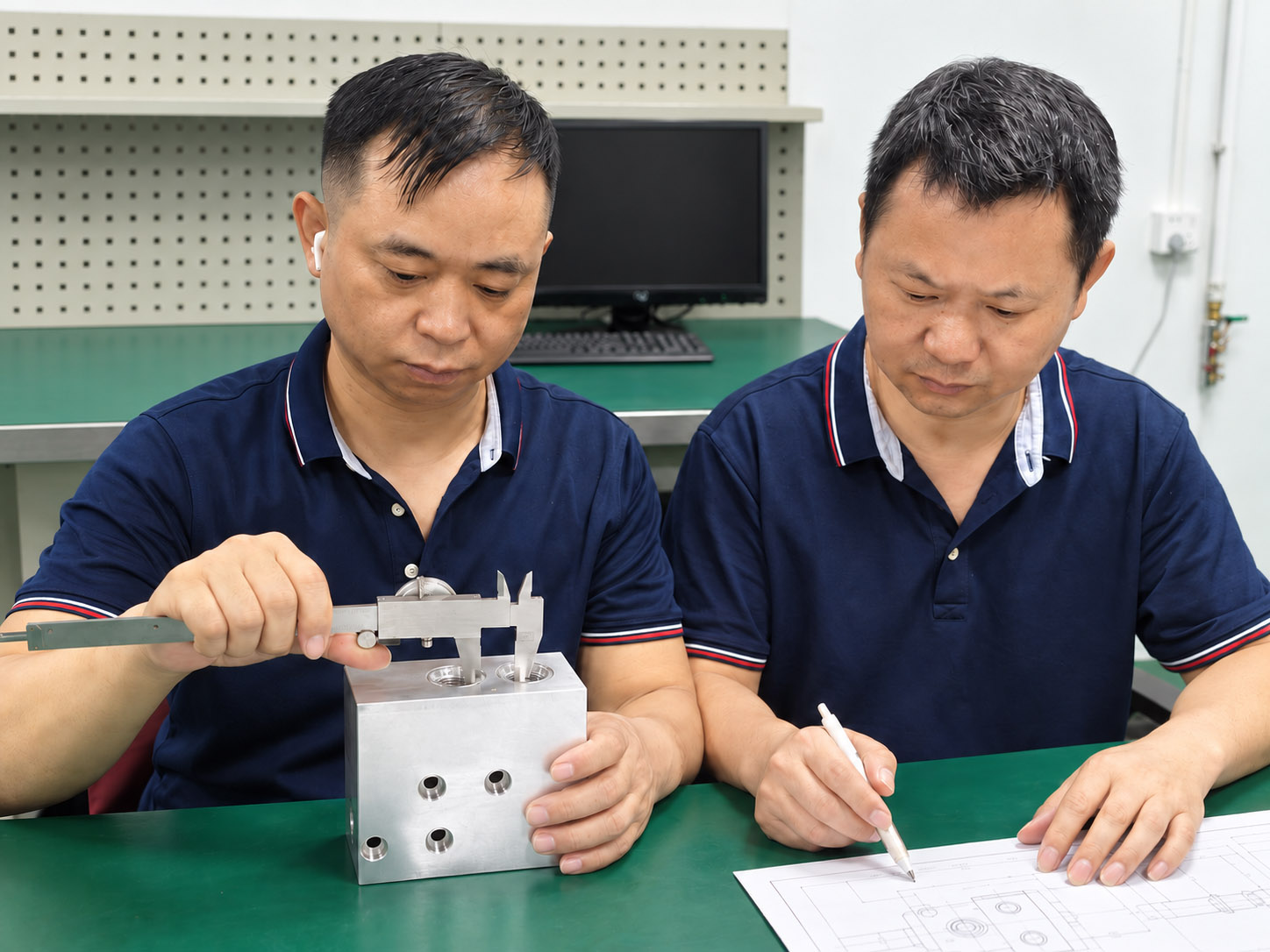
Send the inputs you have, and identify what is still open
Tell us the project stage, quantities and the issue you want to resolve. Include the schematic, valve list, cavity drawings and the current manifold drawing/model where available. State the material and condition, required final treatment, critical features and any customer inspection specification.
Email or WhatsApp can be used to share DWG, DXF, PDF and JPG drawings, and STEP, X_T, IGS and SLDPRT models. Mark draft and approved documents clearly so the review starts from the correct revision.
Use the project-input checklist