

A machined block built around your valve circuit
A screw-in cartridge valve manifold is a machined block containing valve cavities and internal passages that connect the valves to the hydraulic circuit. The block must bring the specified interfaces, sealing features and flow connections together in one controlled part.
Zhongwei Metal manufactures custom manifold blocks from customer drawings and agreed technical references. Normal supply focuses on the machined block, specified finish, correct material and drawing-based inspection, supported by the agreed material certificates and dimensional reports. Pressure and functional testing are not routine parts of this supply scope.
New designs and prototypes
Use a drawing, model or schematic to open the discussion. We identify manufacturing questions that need resolution before a production drawing is released.
Existing projects and repeat orders
Start with the approved revision, known critical features and a sample qualification plan. An existing sample can support review, but does not define every tolerance or material requirement.
Match the cavity to the exact valve reference
The valve model and the current manufacturer cavity drawing are the starting point. A matching thread size alone does not establish valve interchangeability. Bore steps, sealing diameters, depths and port relationships also belong in the review.
Resolve the document set
Supply the valve list, cavity designation and drawing revision alongside the manifold model. Identify any mismatch between the model, drawing and valve reference before machining.
Review the complete interface
Check cavity geometry, thread engagement, sealing features and passage entry positions together. Include installation access, adjacent ports and plug locations in the layout review.
Where the block also has plate-mounted valves or external ports, those interfaces need their own specifications. A cartridge cavity reference does not replace a mounting-interface or port standard.
Valve cavity and port review Understanding cavity referencesControl the features that can disrupt a hydraulic circuit
Our manufacturing review connects each critical feature to a machining approach and a practical verification method. The objective is to resolve risks before they become a sample rejection or a recurring batch problem.
Cavity steps and sealing surfaces
Incorrect geometry or surface condition can affect valve installation and sealing. We review the applicable cavity tooling and machining sequence against the specified features, then agree how accessible dimensions and surface finish will be checked.
Deep and intersecting passages
Passage position, drilling deviation and remaining wall thickness need consideration together. Cross-hole intersections and closure locations also affect access for deburring, cleaning and inspection.
Burrs and retained chips
An intersection can retain machining debris even when the outside of the block looks clean. Controlled deburring, cleaning, clean handling and packaging form the internal process chain. Formal cleanliness acceptance requires a separately defined test method and limits.
Material and surface treatment
Pressure is one input alongside wall thickness, fatigue, environment and material condition. Steel finish options include black oxide (blackening), phosphating, electroless nickel, zinc and zinc-nickel, subject to the approved specification. Finishing requirements must account for critical bores, threads and seals. External coating appearance alone does not demonstrate coverage inside deep passages.
See the resources, then define the evidence your project needs
These are Zhongwei’s own factory photographs. They show manufacturing and inspection resources; acceptance of your manifold depends on the controlled requirements and the records agreed for your project.
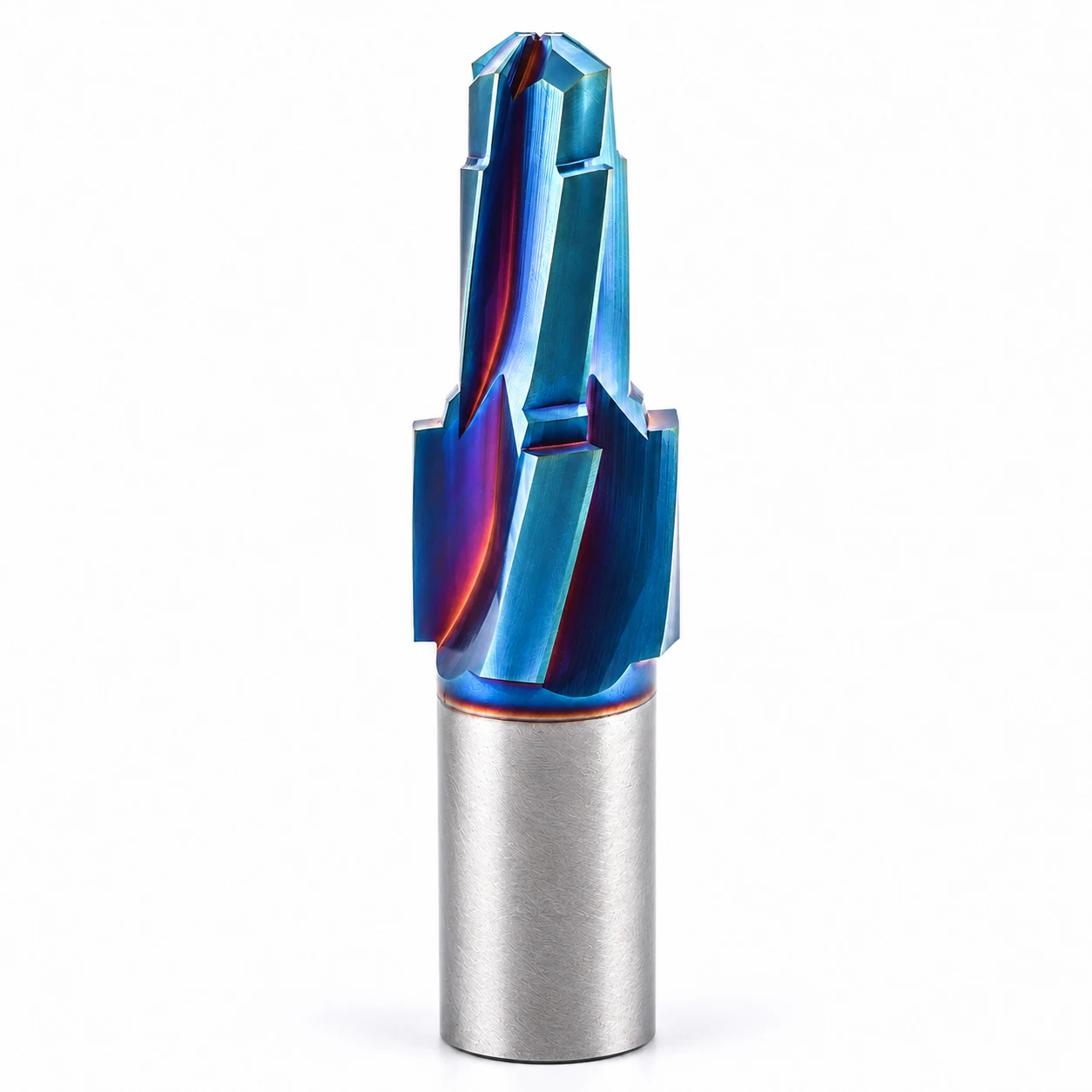
Tooling matched to the feature
Dedicated cavity tools and non-standard tooling development support the machining review. Tool suitability must be checked against the actual valve cavity and material.

Measurement matched to the requirement
CMM measurement supports applicable dimensional checks. Threads and surface finish may require other methods. Dimensional inspection does not establish pressure integrity, leakage performance or internal cleanliness.
Discuss material documentation, first-article inspection and CMM reports before ordering. Where required and agreed, formal component cleanliness testing can be arranged through SGS against ISO 16232 with project-specific acceptance criteria. The test report applies to its stated part, sample and scope.
Inspection and metrology Cleanliness verification and reportsQualify the sample before releasing repeat production
1. Agree the manufacturing baseline
Confirm the drawing revision, model, valve references, material condition, finish, critical features and inspection scope. Record unresolved design questions and who will approve them.
2. Review the first sample
Compare the sample and agreed inspection results with the approved requirements. Include customer assembly or circuit validation where applicable; dimensional acceptance is only one part of qualification.
3. Control the repeat order
Release the approved production revision and record agreed changes. Define batch identification, documentation and packaging needs so repeat supply follows the same acceptance basis.
Questions before requesting a quotation
What is a hydraulic integrated circuit (HIC)?
A hydraulic integrated circuit combines valves and internal connections in a compact manifold arrangement; you may also see the term integrated hydraulic circuit. The machined cartridge manifold block provides the specified cavities and flow passages for that arrangement. Zhongwei’s normal supply is the block to the approved drawing. Valve supply, assembly, pressure testing and functional testing require a separately agreed scope.
Can you begin with a hydraulic schematic?
Yes. A schematic and valve list can begin an engineering discussion, but do not define a complete manufacturing drawing. We clarify cavity references, layout constraints, operating conditions and design responsibilities. Production requires an approved manufacturing document set.
Can you machine a cavity from a valve sample alone?
A sample can help identify questions, but it may not establish the intended tolerances or current cavity specification. Provide the exact valve model and obtain the current manufacturer cavity drawing so the required geometry can be confirmed.
Can I order the block without valves?
Yes. A machined manifold block is the starting supply scope. Identify required plugs, treatments and documents in the enquiry. If valves, assembly or testing are needed, define those deliverables separately before quotation.
Which materials can be considered?
Aluminium, steel, ductile iron and stainless steel can be considered according to the application. The actual grade, supply condition, geometry and verification requirements need review together. There is no single pressure threshold that selects the correct material for every manifold.
Are pressure and functional tests included in normal supply?
No. Machined manifold blocks are normally supplied without pressure or functional testing. The design engineer selects the material and design for the operating conditions. We verify the correct material and drawing requirements, including dimensions, threads, bore geometry, sealing-surface roughness and burr removal. Any additional test requires separate agreement.
What affects price and delivery?
Cavity complexity, material availability, tooling, intersecting passages, finish, quantities and reporting requirements all affect the quotation. Share sample quantity, expected repeat demand and required timing. Delivery is confirmed after review of the actual project; no universal lead time applies.

Send drawings with the information that changes the quotation
Email your project to tomas@zhongweimetal.com or discuss it on WhatsApp at +86 189 2574 6933. Tell us whether you need a prototype, an existing-part review or repeat production, and identify the main concern you want the review to address.
Technical information
Include the controlled drawing and model, exact valve models and cavity references, material and condition, surface treatment, operating conditions and critical inspection requirements.
Purchasing information
State sample and production quantities, expected repeat demand, required timing and document requirements. Identify any assembly, testing, identification or packaging items to include in the quotation.
For email or WhatsApp submission, we accept DWG, DXF, PDF and JPG drawings, plus STEP/STP, X_T, IGES/IGS and SLDPRT models. A 3D model is best accompanied by a drawing defining critical tolerances, finishes and revision. If you only have a schematic, send it with the valve list and the open questions.
Full project submission guide